
Material-first recycling systemsA solution is not just a stack of machines — it’s a process chain engineered around constraints and measurable outputs.
We define the selection boundary (models, screens, feeding/discharge, utilities) and the next-step verification plan.
Below are common application themes. Each project is sized by material variability, contamination, moisture, throughput and output target.

Multi-stage shredding plus tailored separation for ELV dismantlers and complex composite interiors.
- Improve material recovery efficiency
- Lower processing costs (ref. 15–25%)
- Processes tuned for complex interior structures

Size reduction, washing and reuse pathways for fishing nets and heavily contaminated marine plastics.
- Handles high-entanglement, high-contamination feedstock
- Stronger pre-processing and densification
- From pollution control to material regeneration

Convert blended textile waste into RDF with stable output size for energy recovery scenarios.
- Suitable for blended fabrics
- Stable output sizing
- Designed for RDF / co-processing applications
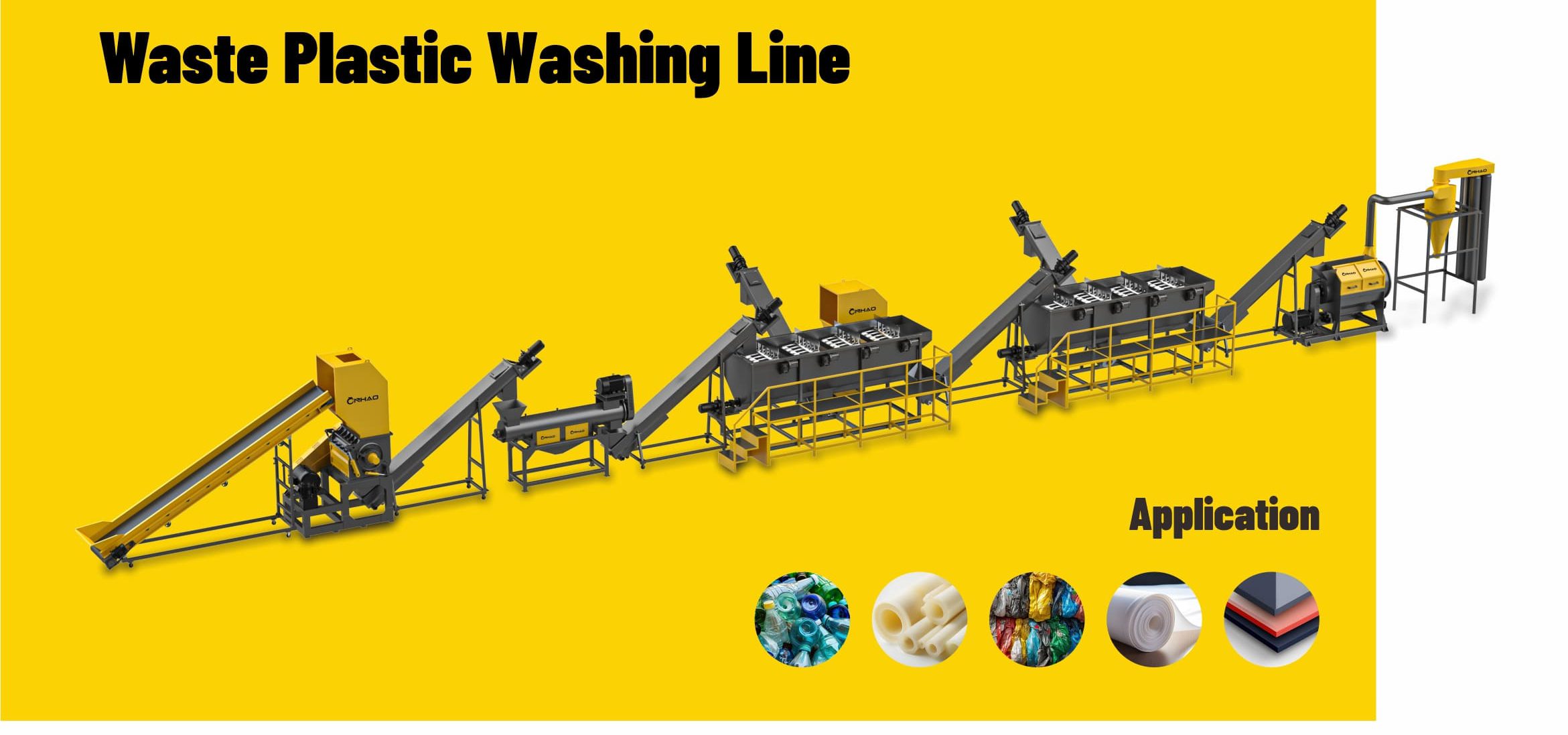
A complete chain from shredding to washing and drying — sized by contamination, moisture and output cleanliness targets.
- Pre-shred sizing strategy + wet processing
- Water/energy constraints considered
- Acceptance checks for cleanliness targets
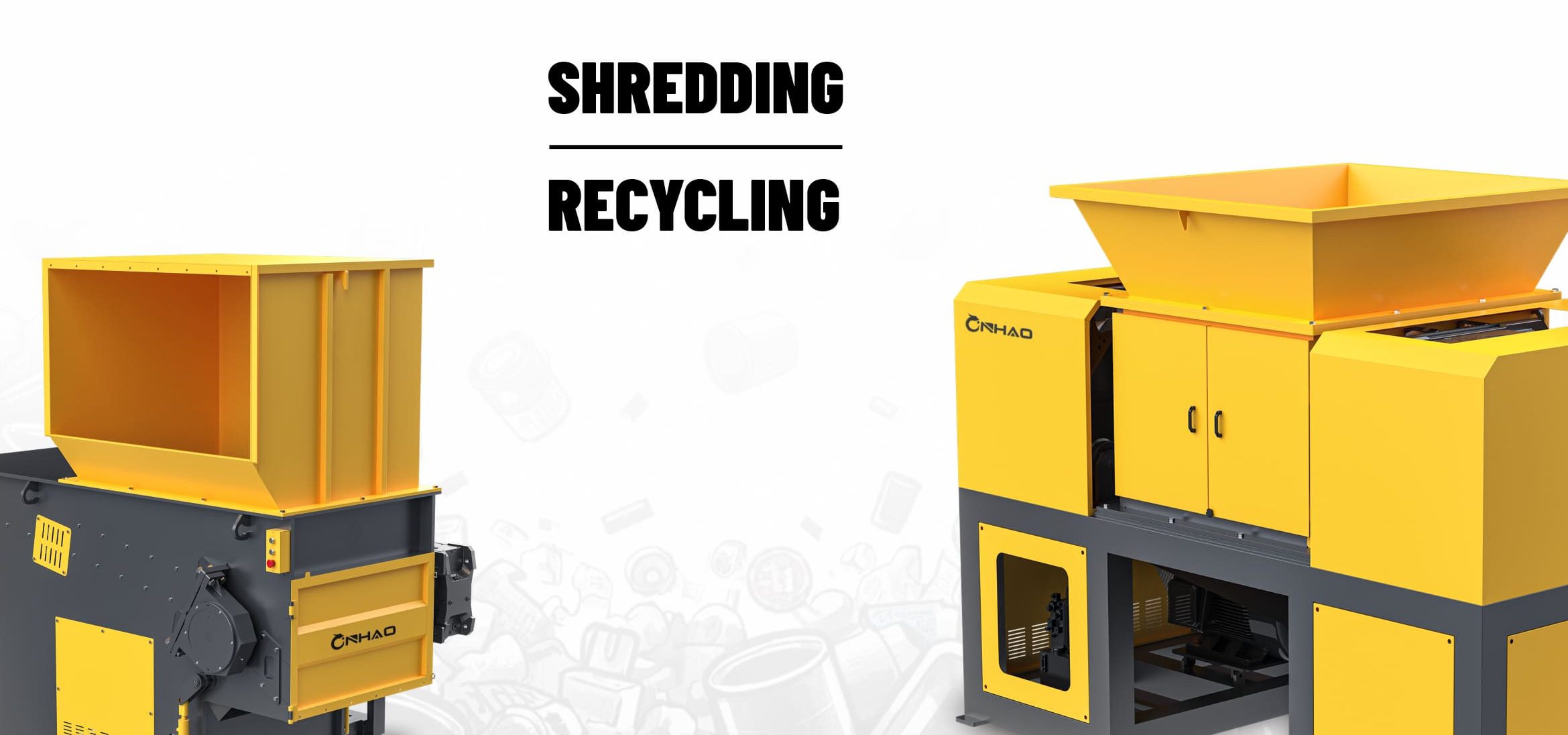
Controlled size reduction + separation for WEEE housings and mixed electronics — supporting safe downstream sorting.
- Low-speed high-torque size reduction
- Designed for mixed contamination
- Improves downstream sorting stability
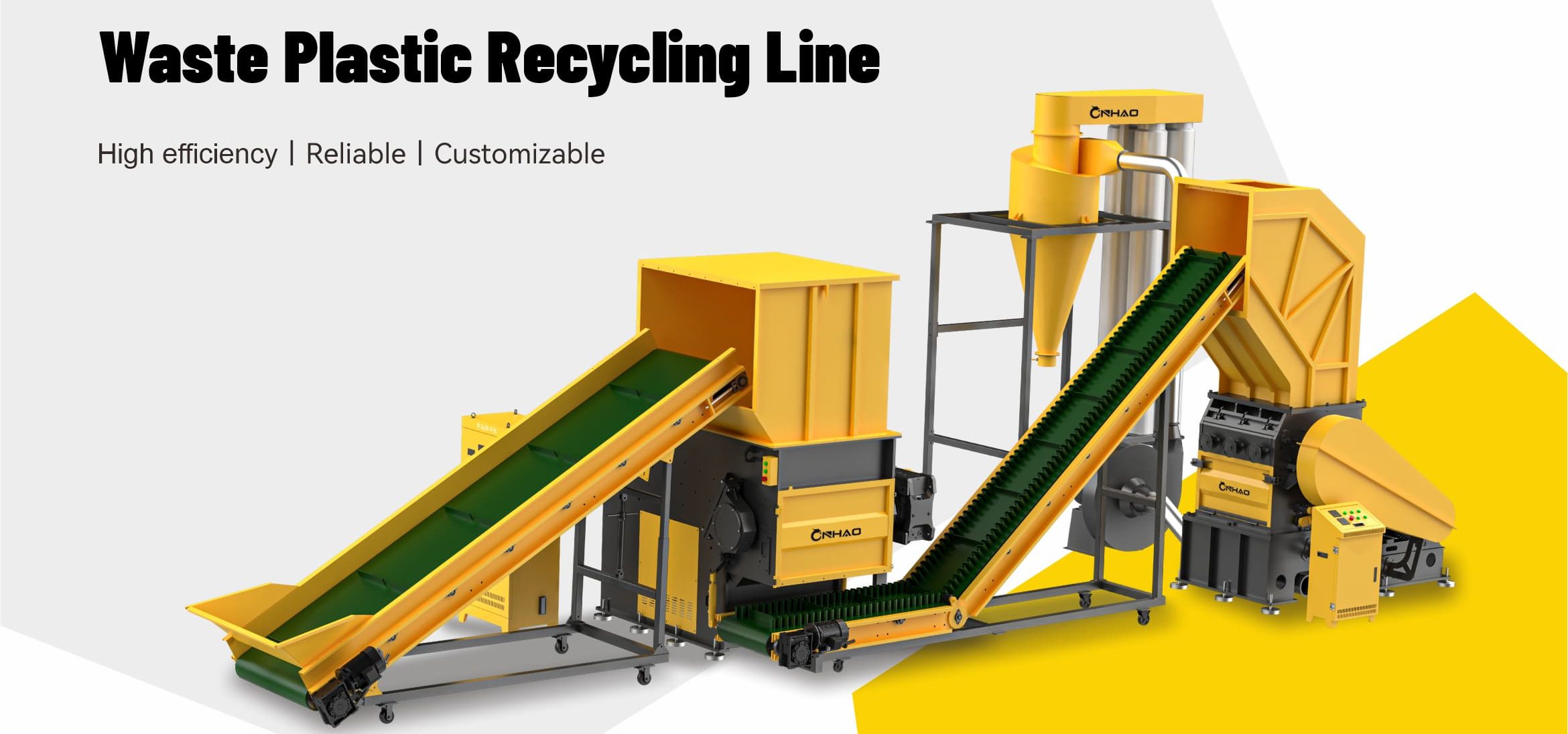
Pre-shredding stage to stabilize feeding for granulation and steel separation, with predictable wear planning.
- Stabilize granulation feed
- Support steel separation efficiency
- Wear-part planning for uptime targets
A typical material-to-output path: size reduction → separation → washing → drying → handover.
Hover or click a step to see what it does, typical inputs, and expected outputs.
- Bulky feedstock
- Contamination (labels/metal)
- Moisture level
- Reduced size
- Stable throughput
- Screen-based sizing (optional)
We keep the system explainable: every module has a reason, a boundary, and an acceptance check.
We aim to reduce back-and-forth: get to a correct selection range quickly, then refine with site constraints.
If you can provide these basics, we can propose a selection range and flow quickly.